Source Motorcycle Rainsuit for Riding, Walking, and Traveling
Source 26 motorcycle rainsuit options for riding, walking, and traveling. Compare PU material styles, CE certifications, and OEM customization. Find durable, non-disposable gear with reflective strip variants and bulk pricing from China suppliers; compare the available evidence and request quotations based on your requirements.
Key considerations
Products List


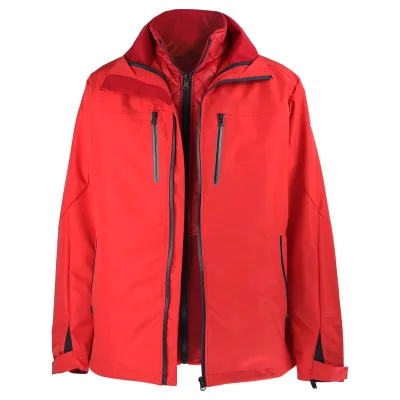
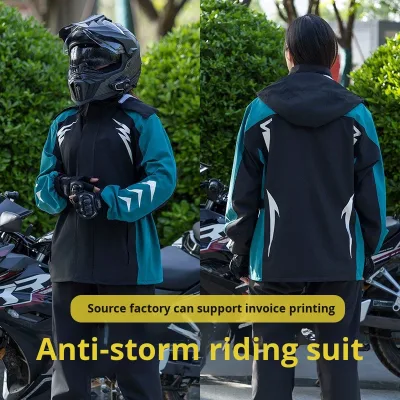
Comprehensive Sourcing Guide
Motorcycle Rainsuit Sourcing Guide
Sourcing motorcycle rainsuits requires balancing weather protection with rider mobility and safety visibility. Buyers must evaluate materials that offer waterproof integrity without compromising breathability during extended rides. The market offers diverse styles, from full cloaks to split suits, each serving distinct operational needs. Understanding these variations is critical for selecting gear that meets specific riding conditions and regulatory requirements.
Procurement decisions should also account for customization capabilities and supply chain flexibility. Many manufacturers support OEM and ODM designs, allowing brands to integrate unique logos and patterns. This flexibility is essential for corporate fleets or branded merchandise programs. Buyers need to verify production capacities and sample availability to ensure the supplier can meet volume demands while maintaining consistent quality across batches.
Product Scope and Observed Listing Signals
The current market landscape for motorcycle rainsuits includes a variety of styles tailored for different use cases. Observed listings indicate a prevalence of cloak-style designs alongside split suits, catering to both casual walking and dedicated riding applications. These garments are primarily targeted at adult users, emphasizing durability and practical functionality. The absence of reflective strips in some models contrasts with others that include them, highlighting the need for buyers to specify visibility requirements based on their operational environment.
Material composition and packaging standards vary significantly across suppliers. Polyurethane (PU) is a common material choice, offering a balance of water resistance and cost-effectiveness. Packaging typically involves polypropylene bags or plastic bags combined with carton boxes, ensuring protection during transit. Buyers should note that some products are non-disposable, indicating a focus on reusable, long-term wear. This distinction is vital for organizations seeking sustainable procurement options or gear intended for repeated use in harsh weather conditions.
Technical Specifications to Verify
Technical verification begins with sizing and dimensional accuracy. Listings show a wide range of size standards, from S to XXXL, and specific dimensions such as 504037 cm for certain models. Buyers must confirm that the sizing chart aligns with their target demographic’s anthropometric data. Incorrect sizing can lead to poor fit, reduced mobility, and compromised waterproofing. It is essential to request detailed size charts and, if possible, physical samples to validate fit before committing to large orders.
Model numbers and design features provide further insight into product differentiation. Specific model codes like AC23037, AS23004, and SS23609 indicate distinct product lines with unique attributes. Some models support custom printing and logo placement, which is crucial for branding purposes. Buyers should verify the technical specifications for each model, including material thickness, seam sealing methods, and closure types. Ensuring that the technical specs match the intended use case, whether for fishing, travel, or daily commuting, prevents mismatches between product capabilities and user expectations.
Compliance and Safety Documentation
Compliance with regional safety and environmental standards is non-negotiable for motorcycle rainsuits. Certifications such as CE, EN, REACH, and ENSASO are frequently cited, indicating adherence to European safety and chemical regulations. Buyers must verify the validity and scope of these certifications, ensuring they cover the specific materials and manufacturing processes used. Documentation should be up-to-date and issued by recognized testing bodies to mitigate legal and liability risks in international markets.
Safety features extend beyond regulatory compliance to include visibility and durability. The presence or absence of reflective strips is a critical safety factor, especially for night riding or low-visibility conditions. Buyers should explicitly request products with reflective elements if operating in such environments. Additionally, verifying that the product meets specific environmental standards like REACH ensures that harmful substances are minimized. This due diligence protects brand reputation and ensures the safety of end-users against chemical exposure and physical hazards.
Cost Drivers and Commercial Terms
Cost structures in the rainsuit market are influenced by material quality, customization complexity, and order volume. Minimum Order Quantities (MOQs) typically range from 50 to 5000 pieces, with specific models requiring 500 or 1000 pieces. Higher MOQs often correlate with lower unit prices, making bulk purchasing advantageous for large-scale operations. Buyers should negotiate tiered pricing structures that reward increased volume while maintaining acceptable margins. Understanding these thresholds helps in planning inventory levels and cash flow effectively.
Commercial terms also encompass packaging, shipping, and sample policies. Suppliers often provide samples to allow for quality assessment, which is a critical step in the procurement process. Packaging options, such as individual polyethylene bags or bulk cartons, impact shipping costs and storage efficiency. Buyers should clarify who bears the cost of samples and shipping, as well as the lead times for production. Transparent communication regarding these terms prevents unexpected expenses and ensures a smooth transaction process from order placement to delivery.
Supplier Qualification and Quality Control
Supplier qualification involves assessing manufacturing capabilities and quality assurance protocols. Provenance in regions like Hebei and Zhejiang, China, suggests established manufacturing hubs with experienced workforces. Buyers should verify the supplier’s production capacity and history to ensure they can handle large orders without compromising quality. Requesting references or case studies from previous clients can provide insight into the supplier’s reliability and consistency. A robust supplier base is essential for maintaining a stable supply chain and meeting delivery deadlines.
Quality control measures must be rigorous to ensure product consistency. Buyers should implement pre-shipment inspections to verify that goods meet specified standards for material, stitching, and waterproofing. Establishing clear quality criteria in the purchase agreement is crucial for resolving disputes. Additionally, suppliers should provide a clear process for handling defects or non-conforming products. Regular communication and feedback loops help maintain high standards and foster a collaborative relationship with the supplier, ensuring long-term partnership success.
Long-Term Procurement Checks
Long-term procurement success depends on continuous monitoring of supplier performance and market trends. Regular audits of supplier facilities and quality control processes help identify potential issues early. Buyers should track key performance indicators such as on-time delivery rates, defect rates, and responsiveness to inquiries. Maintaining a diversified supplier base can mitigate risks associated with single-source dependencies. This strategy ensures business continuity and provides leverage in negotiations for better terms and pricing.
Adapting to evolving customer preferences and regulatory changes is also vital. The demand for eco-friendly materials and enhanced safety features is growing, requiring suppliers to innovate and upgrade their offerings. Buyers should stay informed about new certifications and material technologies that can enhance product value. Engaging in strategic planning with suppliers to anticipate future needs ensures that the procurement strategy remains aligned with market demands. This proactive approach supports sustainable growth and maintains a competitive edge in the motorcycle rainsuit market.
FAQs
Can I get custom logos on motorcycle rainsuits?
Yes, custom logos are available on these motorcycle rainsuits. The product supports printing and customized logo options for buyers. This allows businesses to brand the gear effectively for their specific needs while maintaining the cloak or split style designs.
What certifications do these rainsuits hold?
These motorcycle rainsuits hold CE, ENREACH, REACH, and ENSASO certifications. Buyers can verify compliance with safety standards through these documented marks. The products meet specific regulatory requirements for the European market and other regions requiring such safety approvals.
Which sizes are available for adult riders?
Available sizes range from S to XXL or XXXL depending on the specific model. The standard sizing covers adult users effectively. Buyers should check the specific product model like AS23004 or AS23005 to confirm the exact size range before placing an order.
How much is the minimum order quantity?
The minimum order quantity varies between 500 and 1000 pieces per model. Some items require 500 pieces while others need 1000 pieces. Buyers must check the specific product model to determine the exact MOQ required for their procurement plan.
Can I request samples before bulk ordering?
Yes, samples can be provided for evaluation before placing a bulk order. This allows buyers to verify quality and fit. The supplier offers this service to ensure the product meets expectations regarding material, packaging, and overall performance for riding or walking.
What is the typical packaging method used?
Products are typically packed in PP bags with cartons or plastic bags with carton boxes. Some items use PE bags with 25 pieces per carton. This packaging ensures safe transport and protection of the rainsuits during shipping from the factory to the buyer.
Are these rainsuits suitable for fishing trips?
Yes, specific models are designed for fishing applications in addition to riding and walking. The product features include waterproof materials like PU and styles suitable for outdoor activities. Buyers looking for gear for fishing can find suitable options within the available catalog.
Where are these motorcycle rainsuits manufactured?
These rainsuits are manufactured in Hebei and Zhejiang provinces in China. The origin is clearly stated as China for all listed models. Buyers can expect production from these established manufacturing regions known for textile and protective gear production.